:format(jpeg)/cdn.vox-cdn.com/uploads/chorus_image/image/46858376/ms1_2040.0.0.jpg "Boot Camp Windows Black Screen")
If your Windows 10 installations boots up to a black screen, that can be due to two main reasons.
- Your Fast Boot image is corrupted.
- Your display driver is corrupted.
Additionally, some third-party antivirus software has been known to cause black screens. Removing the software won’t leave your PC unprotected, because Windows Defender Antivirus will kick in if no other antivirus software is running. To rule out any software conflicts, let's perform a clean boot. When you start your computer in a clean boot state, it starts by using a minimal set of drivers and startup programs. Jan 04, 2010 Plugin your install disc and install Windows 7. The system will reboot a couple of times during the installation. The problem: The second time the system reboots, you the see the Windows red-green-blue-yellow animated logo, and then the screen goes black and hangs infinitely. Aug 13, 2020 How to fix black screen with desktop access on Windows 10. If you see a black screen after signing into Windows 10 and can still use the mouse pointer, it could be a problem with the Windows. When it goes black boot into safe mode by power off after windows start and powering on. Then go into device manager and uninstall the display drivers. Next boot into windows without egpu plugged in and install the drivers you need.
Let’s see, how we can fix the above issues.

The first thing that you can do is to give it some time for your PC to get out from the black screen. It might take 5-10 minutes to get you to the login screen/desktop. Be patient and wait. In case you can log in to your PC clean it up from too much junk. Use ST Cleaner to clean it.
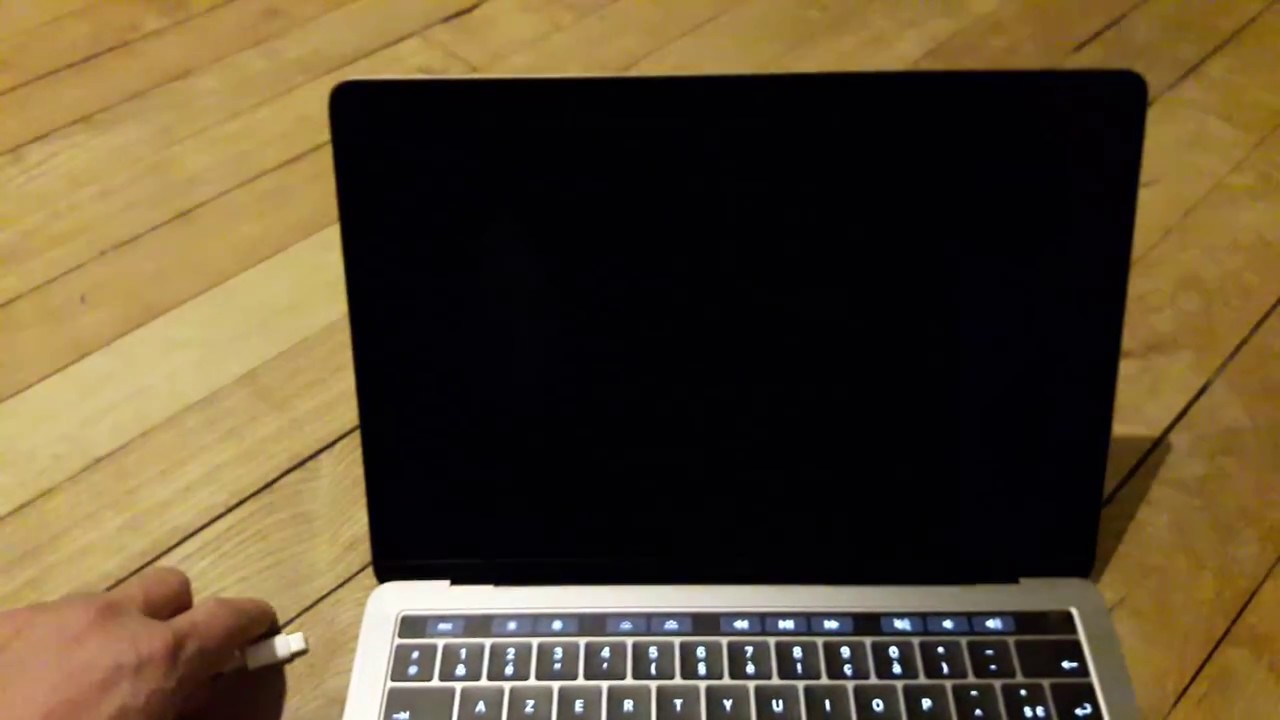
Check Your Hardware. Hardware issues in computers might be easy to spot and fix, but they are.
ST Cleaner follows Google software principles
Boot Camp Windows Black Screen Of Death
If you’re not seeing any difference even after waiting, then you can try this option.
If you can get to the Login screen
- Check connections to external devices
- If you have several external devices plugged in, remove all and try plugging them in one at a time. This way you can identify which device is problematic.
- Sometimes, additional hard disks can also cause this problem. It is better if you can detach additional hard disks when you’re doing this.
- Safe mode
- When you come to the login screen, Select the Power button while holding the Shift key. Then Click Restart.
- When your PC is restarted, you’ll be prompted to the recovery screen. On that screen, select Troubleshoot → Advanced Options → Startup settings → Restart
- When your PC restarts, you’ll see a number of options. Press F5 to select Safe Mode with networking.
- Once your PC is started in Safe Mode, you can try either of the following options.
- Uninstall the display driver
- Open the Device Manager and locate your Display Device
- Right click on it and click Uninstall.
- Turn off Fast Boot.
- Control Panel → Power Options
- Click Choose what the power buttons do
- Click Change settings that are currently unavailable
- Under Shutdown settings, disable Fast Startup
- Uninstall the display driver
- Microsoft also suggests disabling RunOnce processes and services, in order to fix this black screen issue.
- Get the Task Manager
- Check Processes and Services tabs for any instances of RunOnce.exe or RunOnce32.exe.
- If there are any, click End Process in the Processes tab and Disable them in the Services tab.
- Then restart your PC.
Bootcamp Windows Black Screen Flashing Cursor
If your login screen never appears
Windows Black Screen Boot
- Check connections to the external display
- Try connecting your display to different available output ports. Sometimes, changes in the drivers can cause the output to be transmitted to a different display port.
- Try changing the projection mode by pressing Win Key + P and trying out different combinations.
- Press Win Key + P → Press P again and hit Enter.
- Repeat the above step
- Safe mode
- Since you can’t have the login screen, you can’t get into the Safe Mode directly. So you’re going to need either a Recovery Disk/USB or an Installation Disk/USB.
- Boot your PC with the bootable disk/USB you got in the above step.
- On the Windows Setup screen, select Repair your computer option. If you’re not seeing this screen, your PC didn’t boot up from the bootable media you inserted, and check your PC manufacturer’s website for more info on how to boot from a secondary media.
- On the next screen, select Troubleshoot. Then you can select the Safe Mode. Select Advanced Options > Startup Settings > Restart.
- Now you can continue the same steps from iii) in the Safe mode section of “If you can get to the Login screen”
- Disconnect the installation media and restart the PC after all the steps.
- Check connections to the external display